The two-dollar parenting moment
The ordinary request that exposed a much larger failure and became the book’s opening.
Press · Podcasts · Event hosts
Verified biography, book facts, interview directions and host notes for a useful conversation.
One-line introduction
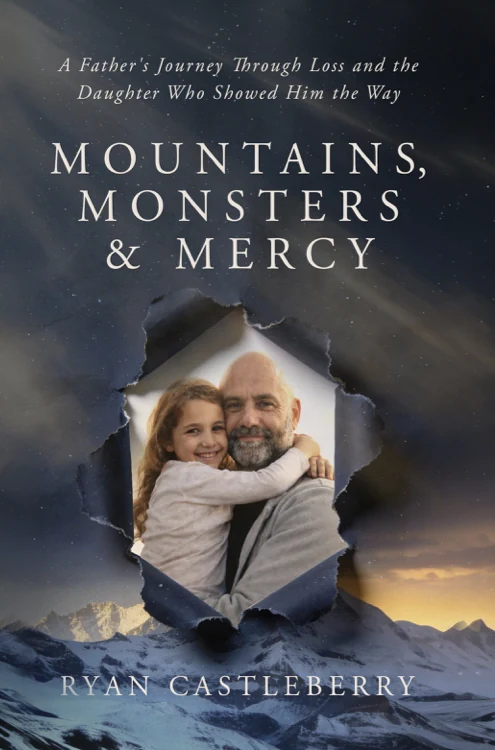
Ryan Castleberry is a U.S. Air Force TACP veteran, father, oilfield leader and author of Mountains, Monsters & Mercy, a memoir about survival, accountability and the small actions that make repair possible.
Ryan Castleberry is a father, U.S. Air Force TACP veteran, oilfield leader and traumatic brain injury survivor. After fire, flood, financial collapse, relationship loss and a motorcycle wreck, he began rebuilding through small, repeatable practices rather than one dramatic breakthrough.
His memoir, Mountains, Monsters & Mercy, follows the failures, people and hard truths that shaped that climb. Ryan writes for fathers, veterans, working people and anyone learning that mercy and accountability can occupy the same room. His practical framework is built on four anchors: Movement, Reflection, Connection and Mercy.
Interview topics
The ordinary request that exposed a much larger failure and became the book’s opening.
Why words lose their weight when behavior does not follow—and what a living amends can look like.
How survival habits can help under pressure and harm in relationships where no one is attacking.
The private cost of high-pressure culture, discussed as lived experience rather than clinical advice.
Building a record of responsibility without demanding access, forgiveness or a clean ending.
Movement, Reflection, Connection and Mercy as practices—not promises.
Verified format facts
Subtitle: A Father’s Journey Through Loss and the Daughter Who Showed Him the Way
Paperback: 184 pages. Includes the 30-Day Climb. Edition lengths vary; see retailer details for each format.
Edition note: The cover subtitle is “A Father’s Journey Through Loss and the Daughter Who Showed Him the Way.” The interior title page and retailer listing use “A Father’s Reckoning with Loss, Grit, and the Climb Back to Grace.” Both refer to this memoir by Ryan Castleberry.
Paperback ISBN: 9798994636800
Hardback ISBN: 9798994636817
Ebook ISBN: 9798993754802
Suggested questions
Why did the French fries moment become the opening chapter?
What did you once believe being a good father required?
What is a living amends, and what is it not?
What did “retire the warrior” mean in your life?
How did traumatic brain injury change the way you understood your reactions?
How do mercy and accountability coexist?
What are the Four Anchors, and how can someone use one today?